
Laboratory-grade analysis of structural materials
Concrete Coring & Testing
When non-destructive techniques identify areas of concern, targeted concrete coring provides definitive material data. SiteOps manages the full coring and testing workflow - from core extraction through to NATA-accredited laboratory analysis and technical interpretation of results.
Our testing programme covers compressive strength (AS 1012.9), carbonation depth (phenolphthalein indicator per RILEM CPC-18), chloride ion profiling (AS 1012.20), petrographic analysis (ASTM C856), and durability assessment. Results are interpreted by our structural scientists in the context of the broader structural investigation, not as isolated numbers.
We minimise the number of cores required by using NDT techniques (GPR, UPV, thermography) to identify the most critical locations for sampling. This NDT-guided coring approach reduces cost, minimises damage to the structure, and provides more representative data than grid-based coring alone.
Core diameters of 50mm, 75mm, or 100mm are selected based on the testing requirements and structural implications. GPR and Ferroscan are used at every proposed core location to confirm safe clearance from reinforcement before drilling.
Key Features
- •Diamond core drilling (50mm, 75mm, 100mm diameters)
- •Compressive strength testing to AS 1012.9
- •Carbonation depth assessment (phenolphthalein indicator)
- •Chloride ion profiling to AS 1012.20
- •Petrographic analysis (thin-section microscopy)
- •Density and water absorption measurement
- •NDT-guided core location selection
- •Structural grout repair of all core holes
Standards
Applications
- •Structural capacity verification
- •Durability assessment and service life modelling
- •Fire damage severity quantification
- •Corrosion risk assessment
- •Heritage material characterisation
- •Remediation design input
- •Litigation and insurance evidence
- •Change of use capacity verification
Codes & compliance
Australian Standards for Concrete Coring & Testing
Every concrete coring & testing engagement is delivered against recognised Australian and international standards. These are the codes SiteOps works to, and how each one applies to the work.
AS 1012.9
Methods of Testing Concrete - Compressive Strength Tests of Concrete, Mortar and Grout Specimens
The Australian method governing how extracted cores are prepared, capped, and tested so compressive strength results stand up for structural assessment and litigation.
AS 1012.14
Methods of Testing Concrete - Method for Securing and Testing Cores from Hardened Concrete
Defines core extraction, length-to-diameter correction, and conditioning that SiteOps follows to ensure representative strength data.
AS 1012.20
Methods of Testing Concrete - Determination of Chloride and Sulfate in Hardened Concrete and Aggregates
The basis for chloride profiling used to assess corrosion risk and remaining service life of reinforced concrete in marine and de-iced environments.
ASTM C42
Standard Test Method for Obtaining and Testing Drilled Cores and Sawed Beams of Concrete
International reference applied where projects require ASTM-aligned core testing and acceptance criteria.
ASTM C856
Standard Practice for Petrographic Examination of Hardened Concrete
Governs petrographic (thin-section) analysis used to identify alkali-silica reaction, carbonation, mix composition, and deterioration mechanisms.
AS 3600
Concrete Structures
The design standard SiteOps interprets results against, including minimum core counts per assessment zone and acceptance of in-situ strength.
Stack & equipment
Technologies used


Case experience
Related projects
 Infrastructure
Main Beach, QLD
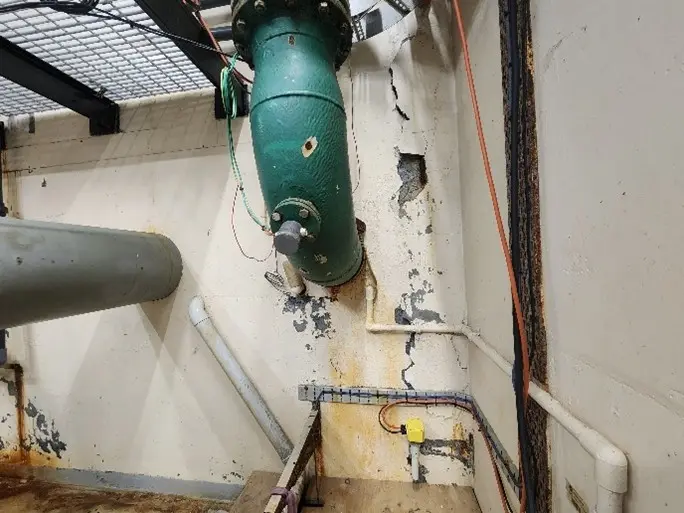
GCWA Pumpstation Investigation
Targeted investigation of GCWA Pumpstation concrete wall deterioration, combining as-built detailing with material testing and reinforcement exposure assessment.
View project Residential
Bowen Hills, QLD
Madison Heights Durability Investigation
Durability-focused structural investigation of Madison Heights to quantify carbonation and chloride risk and document reinforcement condition for repair planning.
View project Residential
Robina, QLD
Varsity Towers Structural Investigation
Comprehensive investigation of Varsity Towers focused on deflection-critical elements, as-built detailing, and concrete and reinforcement testing to support remediation planning.
View projectService areas
Concrete Coring & Testing by location
FAQ
Common questions about Concrete Coring & Testing
How many cores are typically needed?+
The number of cores depends on structure size, variability identified by NDT, and the testing objectives. Typical investigations require 6–15 cores across the structure. SiteOps uses GPR and UPV screening to identify critical locations, so fewer cores provide more representative data than random grid-based sampling. AS 3600 requires minimum three cores per assessment zone for strength determination.
Does coring damage the structure?+
Coring creates a cylindrical hole (typically 75mm diameter) that is repaired with high-strength structural grout immediately after extraction. The structural impact is negligible when cores are correctly located away from reinforcement. GPR and Ferroscan scanning at every proposed location ensures no reinforcement is cut during extraction.
What is the turnaround time for laboratory results?+
Standard compressive strength and carbonation testing typically returns within 7–10 business days. Chloride profiling requires 10–14 business days. Petrographic analysis requires 14–21 business days. SiteOps offers expedited testing (3–5 business days for strength) for urgent assessments such as post-fire investigation or insurance claims.
Can you test heritage building materials?+
Yes. Heritage buildings often contain materials not covered by modern standards - lime mortar, sandstone, wrought iron, pre-standard concrete mixes. SiteOps coordinates with specialist laboratories experienced in heritage material analysis. Core sizes are minimised and locations carefully selected to preserve original fabric.
Need Concrete Coring & Testing?
Tell us about your asset and objectives - we'll scope the right investigation programme.
Get a Quote